We independently review everything we recommend. When you buy through our links, we may earn a commission. Learn more.
In this article ⌄
- The Basics of 10-Minute Meal Prep
- Quick Meal Prep Strategies
- Example 10-Minute Meal Prep Plan
- How to Use This Prep
- How Meal Prep Supports Weight Loss
- Reduces Reliance on Unhealthy Convenience Foods
- Helps You Stick to Balanced Eating
- Prevents Mindless Snacking
- Supports Consistency
- Tips for Making Meal Prep Work Long-Term
- Keep Your Freezer and Pantry Stocked
- Use a Meal Prep Schedule That Works for You
- Rotate Ingredients to Keep Things Exciting
- Invest in Quality Storage Containers
- Start Small and Build Momentum
- Conclusion
- Frequently Asked Questions
Healthy eating sounds great in theory—until life gets in the way. Between work, family, and that endless to-do list, finding time to cook balanced meals can feel impossible.
That’s where meal prep comes in. As a dietitian, I recommend it as one of the easiest ways to stay consistent with your goals, even on the busiest days.
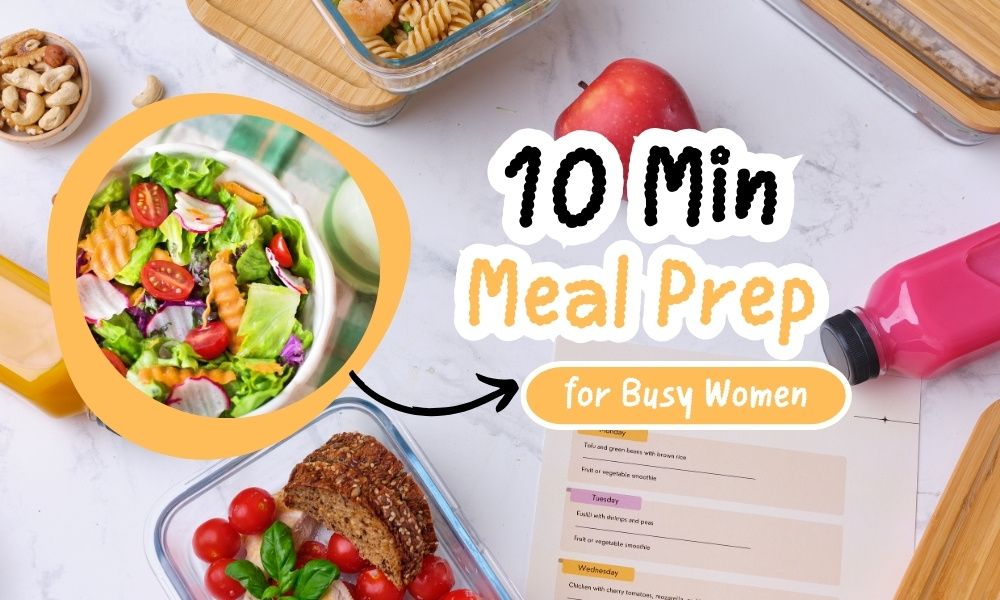
But here’s the catch: meal prep doesn’t have to mean spending your entire Sunday in the kitchen. With just 10 minutes, you can set yourself up for success by prepping simple, nutritious ingredients that make throwing together meals a breeze.
In this guide, I’ll show you how to make meal prep quick, manageable, and (most importantly) doable—no fancy gadgets or marathon cooking sessions required.
The Basics of 10-Minute Meal Prep
Meal prep doesn’t have to mean cooking full meals for an entire week. The key to keeping it simple—and quick—is focusing on the essentials: prepping versatile ingredients that you can mix and match into balanced meals.
Here’s how to get started:
Quick Meal Prep Strategies
When time is tight, meal prep should work for you, not the other way around. These quick strategies focus on prepping versatile ingredients in minutes, so you’re always ready to throw together a balanced meal.
Example 10-Minute Meal Prep Plan
Not sure where to start? Here’s a simple 10-minute plan to set you up for balanced meals all week. You don’t need to prep everything—just a few essentials that can be mixed and matched into quick, satisfying meals.
How to Use This Prep
Once you’ve prepped these basics, assembling meals becomes a breeze:
Lunch Idea: Toss salad greens with grilled chicken, roasted sweet potatoes, and a drizzle of olive oil.
Dinner Idea: Combine quinoa, steamed broccoli, and tofu with your favorite sauce.
Snack Idea: Pair sliced veggies with hummus or nut butter for a quick energy boost.
How Meal Prep Supports Weight Loss
Meal prep isn’t just about saving time—it’s one of the most effective ways to stay on track with your weight loss goals. By planning ahead and having healthy options ready to go, you’re setting yourself up for success, even on the busiest days.
Reduces Reliance on Unhealthy Convenience Foods
When hunger strikes and there’s nothing prepared, it’s tempting to grab whatever’s fast—even if it’s not the healthiest option. Having prepped ingredients in your fridge makes it easier to skip takeout and opt for a balanced, home-cooked meal instead.
Helps You Stick to Balanced Eating
The balanced plate method works best when it’s easy to implement. Prepping proteins, veggies, and grains ahead of time ensures you always have the building blocks of a healthy meal ready to go. No guesswork, no stress.
Prevents Mindless Snacking
Prepped snacks like portioned nuts, sliced veggies, or yogurt parfaits help you make mindful choices when cravings hit. This keeps you full and focused, reducing the temptation to reach for chips or cookies.
Supports Consistency
Consistency is key to weight loss, and meal prep helps you stay on track by removing barriers. When your meals are prepped and ready, you’re more likely to stick with your plan—even when life gets hectic.
Tips for Making Meal Prep Work Long-Term
Meal prep is a powerful tool for staying consistent with your weight loss goals, but like any habit, it works best when it fits seamlessly into your life. Here’s how to make meal prep sustainable for the long haul.
Keep Your Freezer and Pantry Stocked
A well-stocked kitchen is your secret weapon for quick and easy meals. Fill your pantry with staples like canned beans, whole grains, and nut butters, and keep frozen veggies, pre-cooked proteins, and portioned grains in your freezer for busy weeks.
Use a Meal Prep Schedule That Works for You
You don’t have to prep everything in one day. Break it up into smaller chunks:
- Spend 10 minutes after dinner chopping veggies for the next day.
- Boil eggs while you’re making breakfast.
- Batch-cook grains or proteins on a weekend afternoon.
Find a routine that feels manageable for your schedule.
Rotate Ingredients to Keep Things Exciting
Boredom can derail even the best intentions. To avoid it:
- Swap quinoa for couscous or brown rice one week.
- Try seasonal veggies to add variety.
- Use different spices and sauces to give your meals a new flavor profile.
Invest in Quality Storage Containers
Good containers make a big difference. Choose options that are airtight, microwave-safe, and easy to clean. Pre-portioned containers are great for grab-and-go meals, while larger ones work well for batch-cooked ingredients.
Start Small and Build Momentum
If the idea of prepping for an entire week feels overwhelming, start with just one or two ingredients. Maybe it’s washing salad greens or roasting a tray of veggies. The small wins will build confidence and help you create a habit that sticks.
Conclusion
Meal prep doesn’t have to be complicated or time-consuming to make a difference in your life. With just 10 minutes, you can set yourself up for success by preparing simple, versatile ingredients that make healthy eating easier—even on your busiest days.
By focusing on small, manageable steps, like prepping proteins, chopping veggies, or portioning snacks, you’re not just saving time—you’re creating a routine that supports your weight loss goals and makes balanced eating a habit.
Ready to make the most of your prepped ingredients?
Check out How to Build a Balanced Plate for Weight Loss for step-by-step guidance on creating delicious, satisfying meals with the essentials you’ve prepped.
Frequently Asked Questions
Do I need to prep full meals for meal prep to work?⌄
Not at all! Meal prep is about simplifying, not overcomplicating. Focus on prepping versatile ingredients—like proteins, veggies, and grains—that you can mix and match into balanced meals throughout the week. Think of it as setting the stage for quick assembly, not creating ready-to-eat meals.
How long do prepped ingredients stay fresh?⌄
Most prepped ingredients, like cooked proteins, roasted veggies, and grains, will stay fresh in the fridge for up to 4–5 days if stored properly in airtight containers. If you’re prepping for a longer period, freeze portions to use later in the week.
What if I don’t have time to prep on the weekends?⌄
You don’t have to meal prep on Sundays! Break it up into smaller chunks throughout the week:
-Chop veggies or boil eggs while making dinner.
-Cook grains or proteins during downtime.
-Prep snacks the night before a busy day.
Find a schedule that fits your life.
Can I meal prep without cooking?⌄
Absolutely! Look for shortcuts like pre-cooked proteins, canned beans, pre-washed salad greens, and microwaveable grains. You can also portion out snacks, like nuts or fruit, for quick grab-and-go options. Meal prep doesn’t have to involve turning on the stove.
What are the best containers for meal prep?⌄
Choose containers that are airtight, durable, and easy to clean. Glass containers are great for reheating, while stackable plastic ones work well for space-saving storage. Pre-portioned containers are also helpful for grab-and-go meals or snacks.
About the author
Courtney D'Angelo, MS, RD
Courtney D'Angelo, MS, RD, earned her masters degree in Nutrition and Foods from the University of Georgia. She's a Registered Dietitian at Morrison Healthcare and has a strong passion in helping people improve their wellness! Currently, she helps women in menopause find hormone balance through diet, exercise and science-backed products.