We independently review everything we recommend. When you buy through our links, we may earn a commission. Learn more.
In this article ⌄
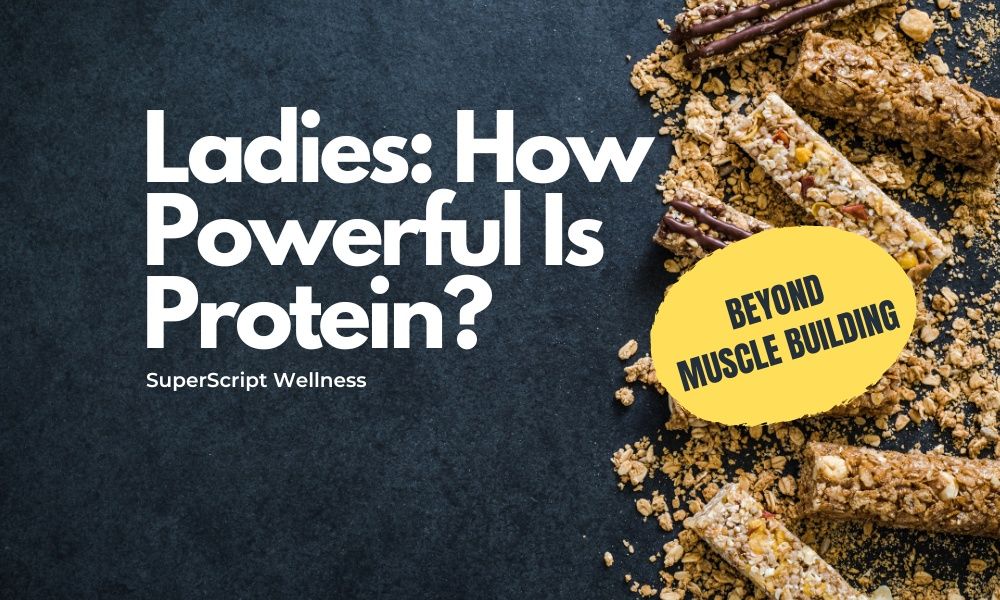
Protein isn’t just for athletes or bodybuilders, it’s a crucial nutrient for every woman, no matter where she is in her wellness journey. From boosting energy and supporting hormonal balance to keeping you feeling full and helping with weight management, protein plays a key role in overall health.
In this article, I’m sharing why protein is essential for women and how to easily incorporate more of it into your daily routine. No stress, no confusion - just practical tips to help you feel stronger, more energized, and more balanced.
Why Protein Is Essential for Women
Protein is often thought of only in terms of muscle building, but it does so much more, especially for women. Here’s why it should be a staple in your diet:
How Much Protein Do Women Really Need?
The amount of protein a woman needs can vary based on her age, activity level, and overall health goals. But don’t worry, it’s not as complicated as it might seem. Here’s a simple breakdown:
Best Sources of Protein for Women
Getting enough protein is essential, but knowing where to find it can make all the difference. Whether you prefer animal-based or plant-based sources, here are some of my top picks to help you meet your protein goals:
Animal-Based Protein Sources
Animal-based proteins are complete proteins, meaning they contain all the essential amino acids your body needs. These are great options for building and repairing muscle.
Animal-Based Protein Sources | Description |
|---|---|
Chicken Breast | Lean and packed with protein, chicken breast is a go-to for many. One 3-ounce serving has about 25 grams of protein. |
Turkey | Similar to chicken, turkey is another lean protein option, with around 24 grams of protein per 3-ounce serving. |
Eggs | Eggs are one of the most affordable and versatile protein sources, providing about 6 grams of protein per large egg. Plus, they’re packed with essential nutrients like vitamins D and B12. |
Salmon | Rich in healthy fats and protein, salmon is not only great for muscle building but also for heart health. A 3-ounce serving has around 22 grams of protein. |
Greek Yogurt | Greek yogurt is a protein-packed dairy product with about 15 grams of protein per 6-ounce serving. It’s also full of probiotics for gut health. |
Plant-Based Protein Sources
For those who prefer plant-based options, there are plenty of protein-rich foods that can easily be incorporated into your diet.
Plant-Based Protein Sources | Description |
|---|---|
Lentils | One of the best plant-based sources, lentils provide 18 grams of protein per cooked cup. They’re also high in fiber, making them great for digestion. |
Chickpeas | Another legume that’s rich in protein, chickpeas offer about 15 grams of protein per cooked cup. Use them in salads, soups, or even make your own hummus. |
Tofu | Tofu is a versatile protein source made from soybeans, offering about 15–20 grams of protein per 4-ounce serving, depending on the type. |
Edamame | These young soybeans are packed with protein, providing about 17 grams of protein per cooked cup. They’re great for snacks or added to salads. |
Quinoa | A complete protein and a great alternative to rice or pasta, quinoa provides 8 grams of protein per cooked cup. Plus, it’s gluten-free. |
Nuts and Seeds | Almonds, peanuts, chia seeds, and hemp seeds are all great sources of plant-based protein, offering anywhere from 5–10 grams of protein per ounce. |
Protein Supplements (When Needed)
If you find it challenging to meet your protein needs through whole foods alone, protein powders can be a helpful supplement. Options include:
Supplements | Description |
|---|---|
Whey Protein | Fast-digesting and easily absorbed, whey protein offers about 20-25 grams of protein per scoop. It’s great for post-workout recovery. |
Plant-Based Protein Powders | For those who follow a vegan diet, plant-based protein powders (like pea, rice, or hemp protein) provide around 15–25 grams of protein per scoop. |
Conclusion: How to Make Protein Work for You
Incorporating protein into your diet is one of the best ways to support your overall health, especially as a woman. Whether you’re building muscle, boosting metabolism, or simply looking to feel stronger, protein plays a vital role in helping you reach your goals.
The key is finding sources that you enjoy and can easily work into your daily routine. Whether it's a grilled chicken breast, a hearty serving of lentils, or a quick protein shake after a workout, the options are plentiful. You don’t need to stick to just one source—mixing things up with both animal-based and plant-based proteins can keep meals interesting and balanced.
As you think about your protein needs, remember that the amount you need depends on your activity level, goals, and overall health. Getting enough protein is easier than you think. With just a little planning, you can fuel your body with what it needs to perform at its best, helping you feel strong, energized, and ready to take on your day.
Start small, experiment with different protein sources, and see what works best for you. Whether you're on the go or enjoying a leisurely meal, there's always a protein-packed option that fits your lifestyle. Keep it simple, stay consistent, and watch how your body responds.
About the author
Courtney D'Angelo, MS, RD
Courtney D'Angelo, MS, RD, earned her masters degree in Nutrition and Foods from the University of Georgia. She's a Registered Dietitian at Morrison Healthcare and has a strong passion in helping people improve their wellness! Currently, she helps women in menopause find hormone balance through diet, exercise and science-backed products.