We independently review everything we recommend. When you buy through our links, we may earn a commission. Learn more.
In this article ⌄
We’ve all been there - reaching for a snack when you're stressed, bored, or just feeling off. Emotional eating is something many of us struggle with, but the good news is, it doesn’t have to derail your weight loss goals.
As a dietitian, I know that understanding the emotional triggers behind eating habits is the first step toward breaking the cycle.
In this article, I’ll share simple, practical strategies to help you take control of emotional eating and develop healthier, more mindful habits. No more feeling guilty after reaching for comfort food. Let’s take a step toward making peace with food.
Understanding Emotional Eating
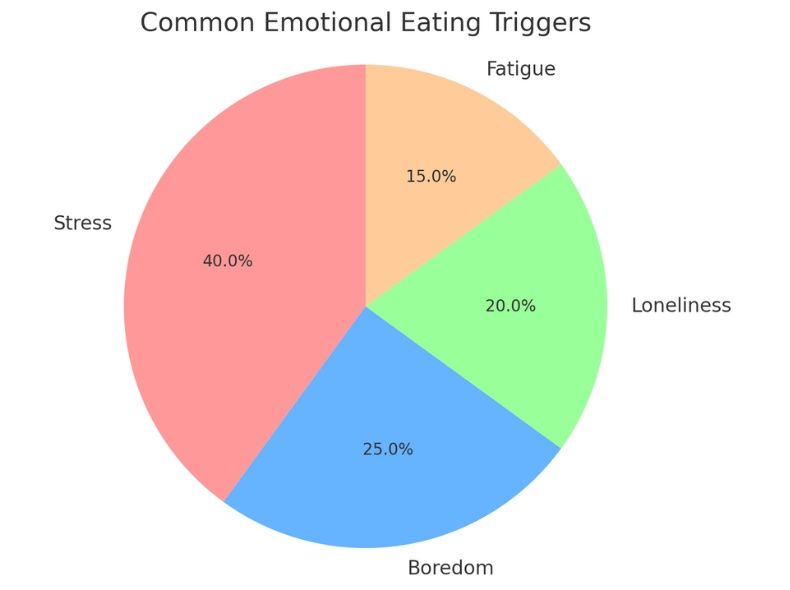
Emotional eating happens when we turn to food to cope with emotions, rather than physical hunger. It’s a common struggle, and it can be easy to fall into the habit of reaching for comfort foods when you’re stressed, bored, anxious, or even just tired.
As a dietitian, I know that emotional eating often stems from a desire for quick comfort.
Food can provide an immediate sense of relief, but it doesn’t address the underlying emotion.
The key to breaking this cycle is awareness - understanding what triggers your emotional eating and why it happens.
Common Emotional Eating Triggers
Strategies to Stop Emotional Eating
Now that we understand emotional eating and its triggers, let’s talk about how to break the cycle.
These strategies focus on developing healthier habits and creating mindfulness around eating—so you can move away from emotional eating and toward balanced, intentional eating.
Identify Your Triggers
The first step in overcoming emotional eating is to get familiar with what triggers your cravings.
Keep a journal or simply note when you reach for food and how you’re feeling at the time.
Are you stressed? Bored? Tired?
Once you’re aware of the patterns, you can start to manage the triggers instead of automatically turning to food. For example, if stress is a major trigger, consider stress-relief techniques like deep breathing, walking, or chatting with a friend instead of reaching for comfort food.
If you’re looking for more ways to manage stress while staying consistent with your wellness goals, check out our tips for staying consistent with healthy habits even during tough times.
Find Healthy Alternatives
When emotional eating hits, it’s helpful to have go-to alternatives. Instead of indulging in a sugary snack, try something that satisfies your hunger and your emotions in a healthier way:
- Herbal tea for a calming effect.
- Fresh fruit or veggies for something sweet and crunchy.
- Yogurt with nuts or seeds for a satisfying, protein-rich snack.
These options can provide the comfort and satisfaction of food without the guilt or unwanted calories.
For more ideas on healthy snacks that won’t derail your progress, see our guide on balanced snacks for busy women.
Build a Healthy Relationship with Food
It’s important to let go of the “good vs. bad” mentality around food. All foods have a place in a balanced diet, and no food should be seen as “off-limits.”
This mindset can help reduce guilt and shame associated with eating, making it easier to approach food in a healthier way.
Focus on balance, not perfection, and remember: it’s okay to enjoy your favorite foods in moderation.
Manage Stress and Emotions in Other Ways
Since emotional eating often stems from stress or other emotions, it’s essential to have other coping mechanisms in place. Try incorporating stress management practices into your routine, such as:
- Exercise to boost your mood and energy.
- Journaling to work through your emotions.
- Meditation or yoga to relax and center yourself.
When you manage your emotions in healthy ways, it’s easier to make mindful food choices instead of eating out of stress or boredom.
For more tips on staying consistent with healthy habits, especially when emotions run high, visit our article on how to stay consistent with your wellness routine.
Conclusion
Emotional eating doesn’t have to control your choices. By becoming aware of your triggers, practicing mindful eating, and finding healthy ways to cope with emotions, you can break the cycle and start making choices that align with your health and wellness goals.
Remember, it’s about progress, not perfection. Every small step you take toward understanding and managing emotional eating is a victory. With time, you’ll develop a healthier, more balanced relationship with food—and with yourself.
If you’re looking for more ways to stay on track, check out our article on How to Build a Balanced Plate for Weight Loss for tips on creating meals that support your journey.
Frequently Asked Questions
What’s the difference between emotional eating and hunger?⌄
Emotional eating is when you eat in response to feelings like stress, boredom, or sadness, rather than actual physical hunger. Hunger typically comes on gradually and can be satisfied with any type of food, while emotional eating is often triggered by specific emotions and may lead to cravings for comfort foods.
How can I stop reaching for food when I’m stressed?⌄
The key is finding healthier ways to manage stress. Instead of turning to food, try incorporating stress-relief techniques like deep breathing, going for a walk, or practicing yoga. Over time, these healthier coping mechanisms will become your go-to responses, rather than food.
Is it okay to indulge sometimes?⌄
Absolutely! It’s important to have a balanced relationship with food. Occasional indulgence is part of life, and it’s okay to enjoy your favorite treats. The goal is to approach these moments with mindfulness, not guilt, and to make sure they don’t become habitual responses to stress or emotions.
Can I use mindful eating to curb emotional eating?⌄
Yes! Mindful eating involves focusing on the sensory experience of eating—paying attention to how the food looks, smells, and tastes. This helps you stay present and connected to your body’s hunger cues, making it easier to distinguish between physical hunger and emotional cravings.
How long does it take to break the emotional eating habit?⌄
Changing any habit takes time and practice. While there’s no exact timeline, you’ll start seeing progress as you consistently identify your triggers and use healthier coping strategies. Be patient with yourself—small, consistent steps lead to lasting change.
Can meal prep help with emotional eating?⌄
Yes! Having prepped meals and snacks available can reduce the temptation to snack mindlessly when emotions arise. When your meals are ready and balanced, it becomes easier to stay on track and make intentional choices rather than turning to food out of habit or emotion.
About the author
Courtney D'Angelo, MS, RD
Courtney D'Angelo, MS, RD, earned her masters degree in Nutrition and Foods from the University of Georgia. She's a Registered Dietitian at Morrison Healthcare and has a strong passion in helping people improve their wellness! Currently, she helps women in menopause find hormone balance through diet, exercise and science-backed products.